How to Build a Balanced Diet with the Right Foods
A balanced diet is the foundation of good health, helping your body function at its best while protecting against illness. Choosing the right foods and maintaining proper proportions ensures that you get the essential nutrients, vitamins, and minerals your body needs daily. This approach is not about strict restrictions but about making smart, sustainable choices that nourish you inside and out.
Understanding the Basics of a Balanced Diet
A balanced diet typically includes the right proportion of carbohydrates, proteins, fats, vitamins, and minerals. Carbohydrates provide energy, proteins help with muscle repair and growth, and healthy fats support brain function and hormone production. Vitamins and minerals play countless roles, from maintaining strong bones to supporting immunity.
Incorporating a Variety of Food Groups
Diversity in your meals ensures you get a broad range of nutrients. Include whole grains such as brown rice, oats, and whole wheat bread; lean proteins like fish, chicken, tofu, or legumes; healthy fats from sources like nuts, seeds, and avocados; and plenty of fresh fruits and vegetables for fibre, vitamins, and antioxidants.
Prioritising Fresh, Whole Foods
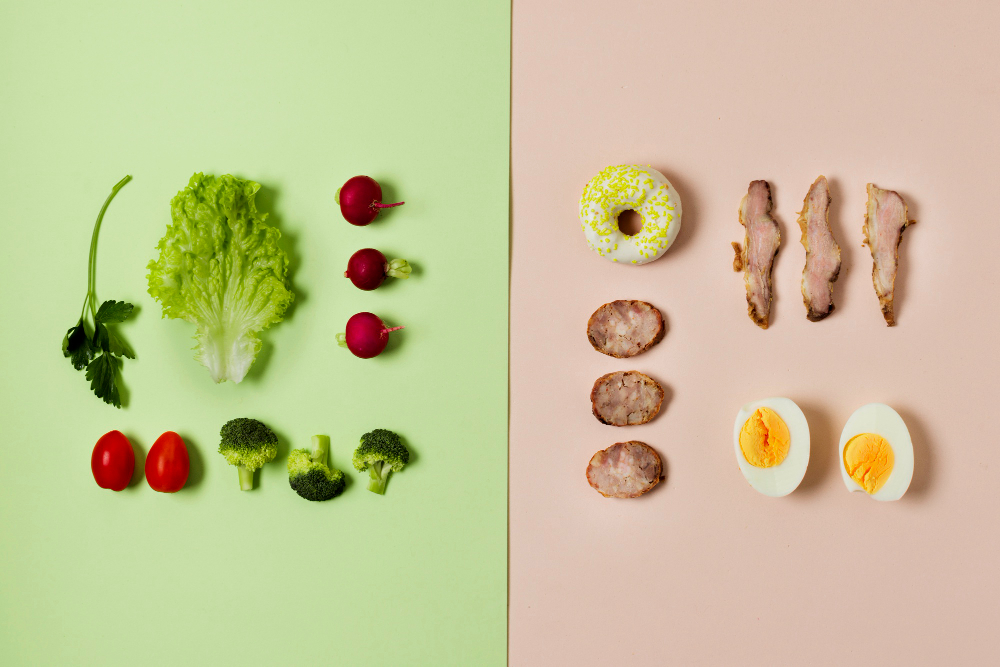
Minimising processed foods is key to building a healthy diet. Fresh produce, whole grains, and unprocessed proteins tend to be richer in nutrients and lower in unhealthy additives such as excess sodium, sugar, or trans fats. Choosing organic or locally sourced options when possible can further improve nutritional quality.
Portion Control and Moderation
Even healthy foods can contribute to weight gain or other health issues if eaten in excess. Understanding portion sizes and listening to your body’s hunger cues are essential. Aim to fill half your plate with vegetables, a quarter with protein, and a quarter with healthy carbohydrates for a balanced meal structure.
Staying Hydrated and Maintaining Consistency
Water plays a vital role in digestion, nutrient absorption, and overall well-being. Aim for an adequate daily intake and balance it with herbal teas or water-rich foods like cucumbers and melons. Maintaining a consistent eating pattern—rather than skipping meals or relying on late-night snacks—supports stable energy levels and long-term health.
Conclusion
Building a balanced diet is less about strict rules and more about creating harmony between different food groups while paying attention to portion sizes and quality. By choosing fresh, whole foods and incorporating variety into your meals, you can enjoy better health, improved energy, and a greater sense of well-being every day.
Related Post